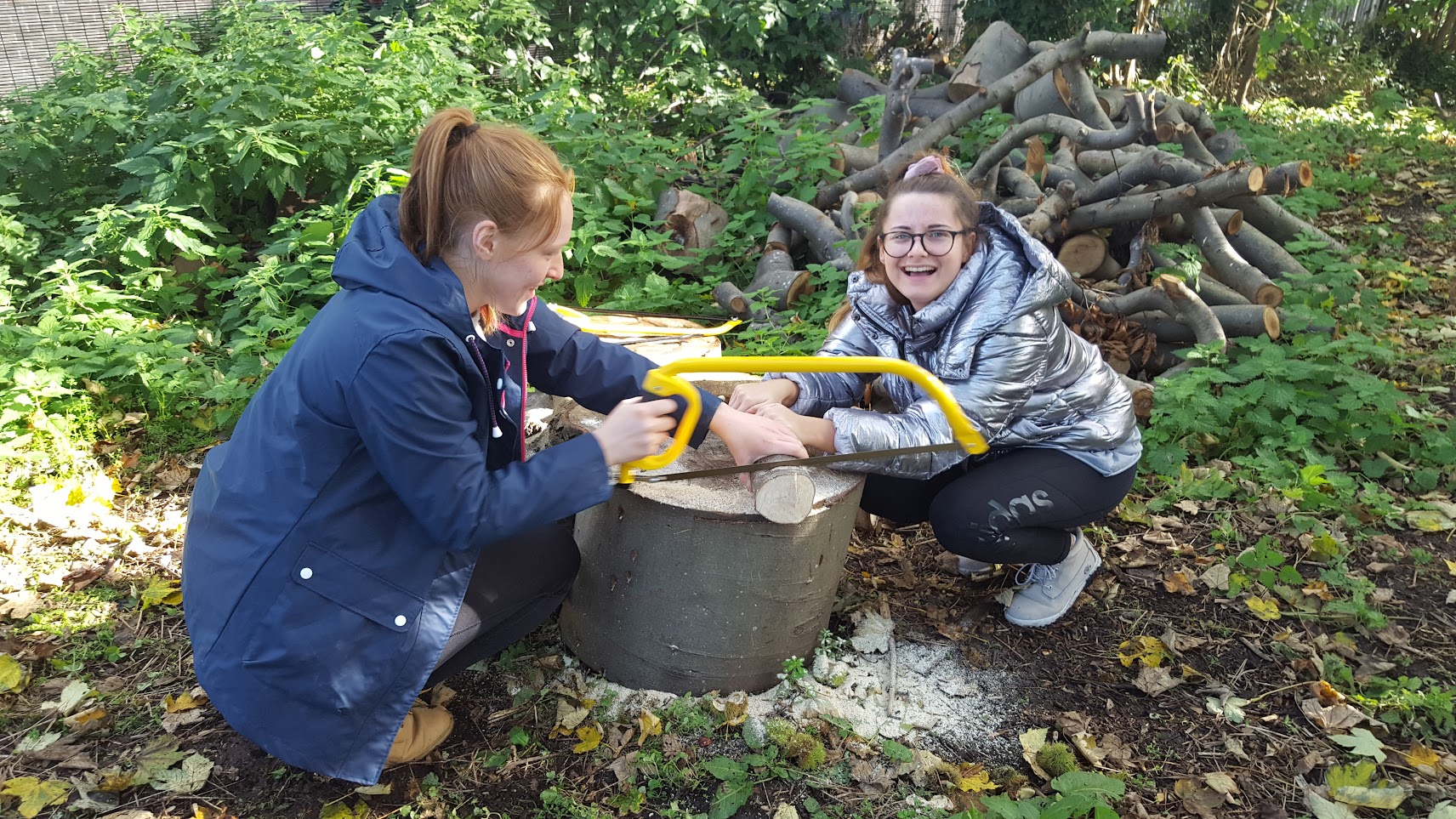
In recent years, the Natural Curriculum approach has gained significant traction in Initial Teacher Education (ITE) programmes for primary education. This innovative approach emphasises the integration of outdoor learning into the curriculum, providing future teachers with the skills and confidence to utilise natural environments as dynamic classrooms. Here’s why the Natural Curriculum approach is transforming primary ITE programmes and how it benefits both educators and pupils.
The Essence of the Natural Curriculum
The Natural Curriculum approach is rooted in the belief that outdoor learning should be an integral part of every child’s educational journey. It goes beyond occasional field trips, embedding outdoor experiences into the daily learning process. This method makes use of the unique qualities of natural settings to create meaningful, engaging and memorable learning experiences that align with the national curriculum.
Benefits for Future Educators
- Enhanced Teaching Skills: ITE programmes incorporating the Natural Curriculum approach equip future teachers with diverse teaching strategies. Trainees learn how to plan and deliver lessons in various outdoor settings, from school grounds to local parks and woodlands.
- Confidence Building: Practical training sessions in outdoor environments help build confidence in managing and engaging pupils outside the traditional classroom. This hands-on experience is invaluable for new teachers.
- Innovative Lesson Planning: Trainees are encouraged to think creatively about lesson planning, integrating subjects like science, geography and art with outdoor activities. This fosters a holistic approach to education.
- Sustainability Awareness: By teaching in natural settings, future educators develop a deeper appreciation for the environment. This awareness is crucial for fostering a sense of responsibility and sustainability in their pupils.


Benefits for Pupils
- Engagement and Motivation: Learning outdoors can be more engaging and motivating for pupils. The natural environment stimulates curiosity and enthusiasm, making learning more enjoyable.
- Holistic Development: Outdoor learning supports the holistic development of children, enhancing their physical, emotional, and social skills. Activities like nature walks, gardening, and outdoor experiments promote teamwork, problem-solving, and resilience.
- Real-World Connections: The Natural Curriculum approach helps pupils make real-world connections with their learning. Observing plants, animals and ecosystems first-hand brings subjects like science and geography to life.
- Health and Wellbeing: Regular outdoor activities contribute to better physical health and mental wellbeing. Fresh air, physical exercise and the calming effects of nature can reduce stress and improve concentration.


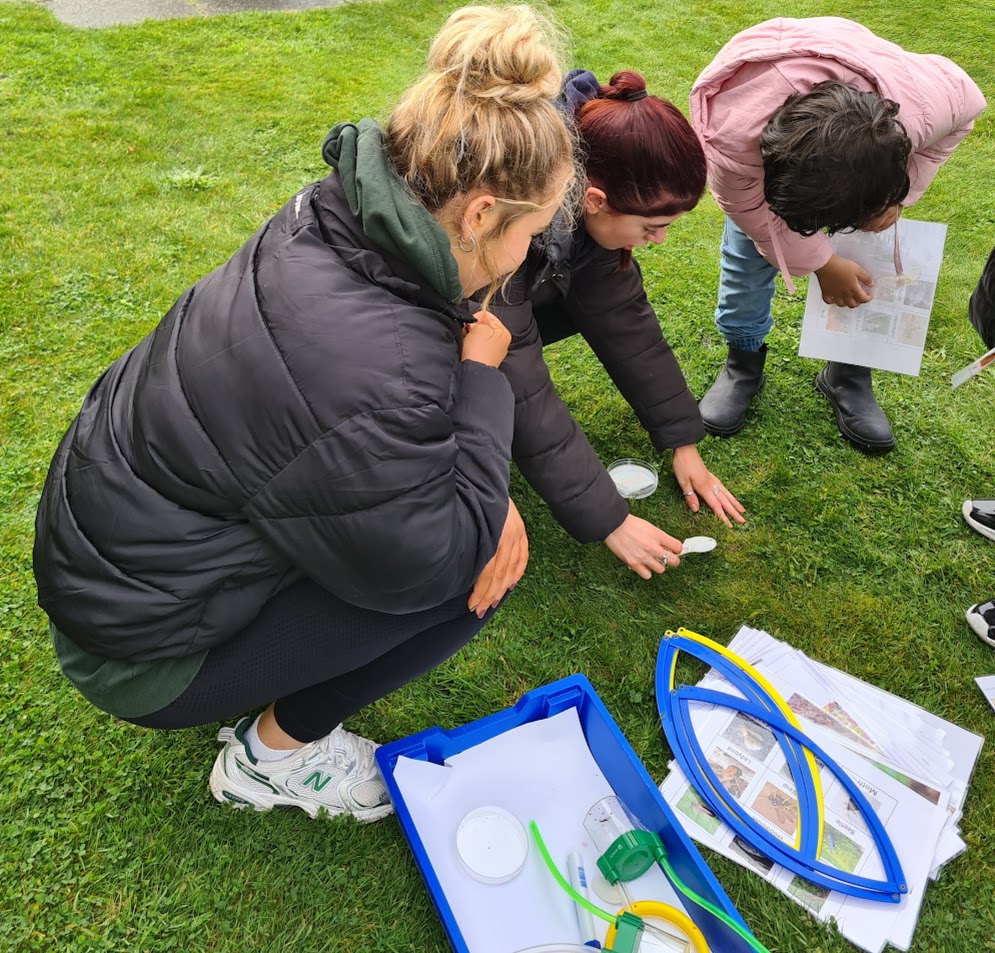
Implementing the Natural Curriculum in ITE Programmes
To effectively integrate the Natural Curriculum approach, ITE programmes should:
- Provide Comprehensive Training: Ensure that trainee teachers receive thorough training in outdoor education, including planning, risk assessment and classroom management in natural settings.
- Foster Collaboration: Encourage collaboration between ITE providers, schools and environmental organisations to create rich outdoor learning opportunities.
- Offer Resources and Support: Provide access to resources, lesson plans and ongoing support to help new teachers confidently implement outdoor learning.
- Promote Reflective Practice: Encourage trainees to reflect on their outdoor teaching experiences, sharing insights and best practices with peers.
The Natural Curriculum approach is revolutionising primary ITE programmes by embedding outdoor learning into the heart of teacher education. By preparing future educators to harness the power of natural environments, we can create a generation of teachers who inspire and engage their pupils in meaningful, holistic learning experiences. Embracing this approach not only enriches the educational journey of children but also fosters a deeper connection with the natural world, promoting sustainability and wellbeing for all.
 Transforming Education: The Natural Curriculum