Tap Into Nature: The Best Apps to Boost Your Walks
For those of us passionate about outdoor learning, the countryside is our classroom. But sometimes, even the most experienced nature enthusiasts need a little help identifying a new bird song or understanding the complex soundscape of a forest. That’s where technology can come in.
Here are some fantastic tools to enhance your nature walks and connect with the environment in exciting new ways:
- Merlin Bird ID: Your Pocket Ornithologist
Imagine having a bird expert with you on every walk. That’s essentially what the Merlin Bird ID app offers. Developed by the Cornell Lab of Ornithology, this free app helps you identify birds by sound or sight.
- Sound ID: Record a bird’s song, and Merlin will suggest possible matches.
- Photo ID: Snap a picture, and the app will help you identify the bird.
- Step-by-step ID: Answer a few simple questions about the bird’s size, colour, and behaviour, and Merlin will narrow down the possibilities.
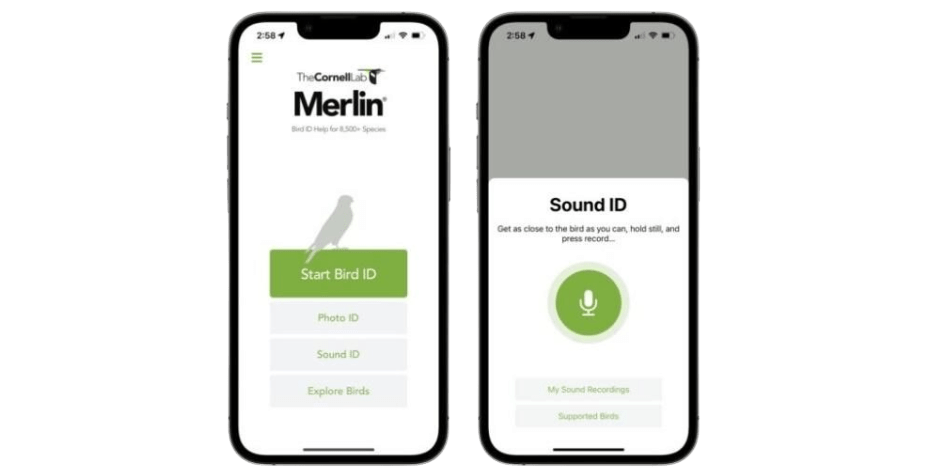
Merlin makes birdwatching accessible to everyone, from beginners to seasoned birders. It’s a fantastic way to engage children with nature, turning a simple walk into an exciting learning adventure.
- iNaturalist: Connect with a Community of Naturalists
iNaturalist is a global community of naturalists, scientists and citizen scientists mapping and sharing observations of biodiversity across the globe.
- Identify: Take a photo of a plant or animal and iNaturalist will suggest possible identifications.
- Learn: Explore observations shared by others to learn about the species in your area and around the world.
- Contribute: Share your own observations to help build a valuable database of biodiversity information.

- Wild Rumpus: Mapping the Sounds of the Forest
Take your forest explorations to the next level with the Wild Rumpus sound map. This interactive tool allows you to explore the sounds of different woodlands, revealing the rich tapestry of nature’s orchestra.
- Listen and Learn: Discover the calls of various animals, from birdsong to rustling leaves.
- Map Your Own Sounds: Record and upload your own soundscapes to contribute to the map.
- Educational Resource: A valuable tool for teaching about biodiversity and sound ecology.

- Additional Nature Apps to Explore
- Seek: Developed by iNaturalist, Seek is an easy way to identify species on the go with badges to collect and challenges to complete. It’s great fun and perfect for use on family walks!

- ObsIdentify: This app was developed in the Netherlands to identify wild animals and plants. It can identify a wide range of species, including tricky insects and mushrooms.

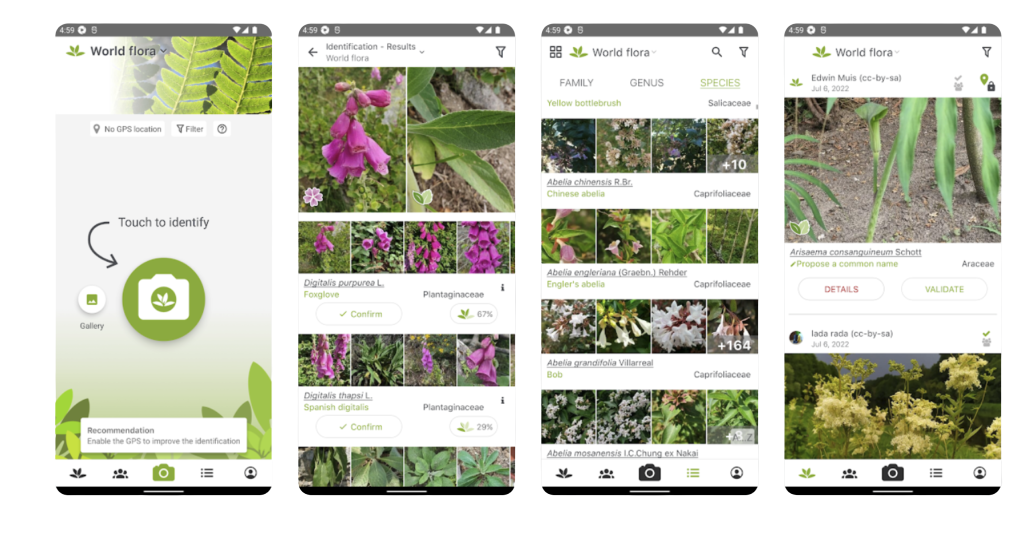
- PlantNet: This app can identify plants and it works even without an internet connection. It provides quick, easy identifications that are consistently accurate.
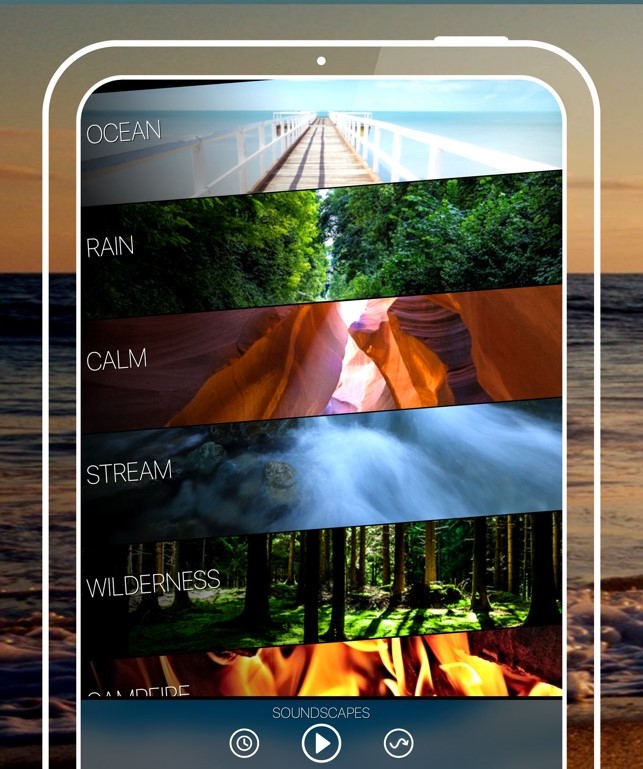
- Nature Soundscapes: This app features beautifully crafted nature and ambient audio loops. It includes sounds of the ocean, rain, calm, stream and wilderness.
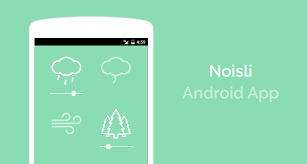
- Noisli: This app provides ambient sounds for focus, sleep and relaxation. It offers high-quality ambient noises such as rain, ocean, birds, wind and leaf sounds.
- Pure Nature – 3D Soundscapes: Designed primarily for headphone listening, this app features over 80 spacious 3D binaural soundscapes, meticulously gathered in wild areas across North America and beyond.

- Environmental Data Collection Apps
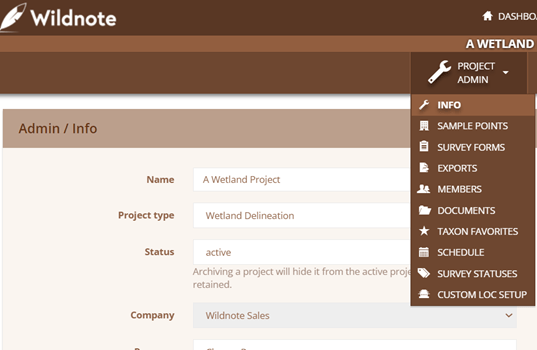
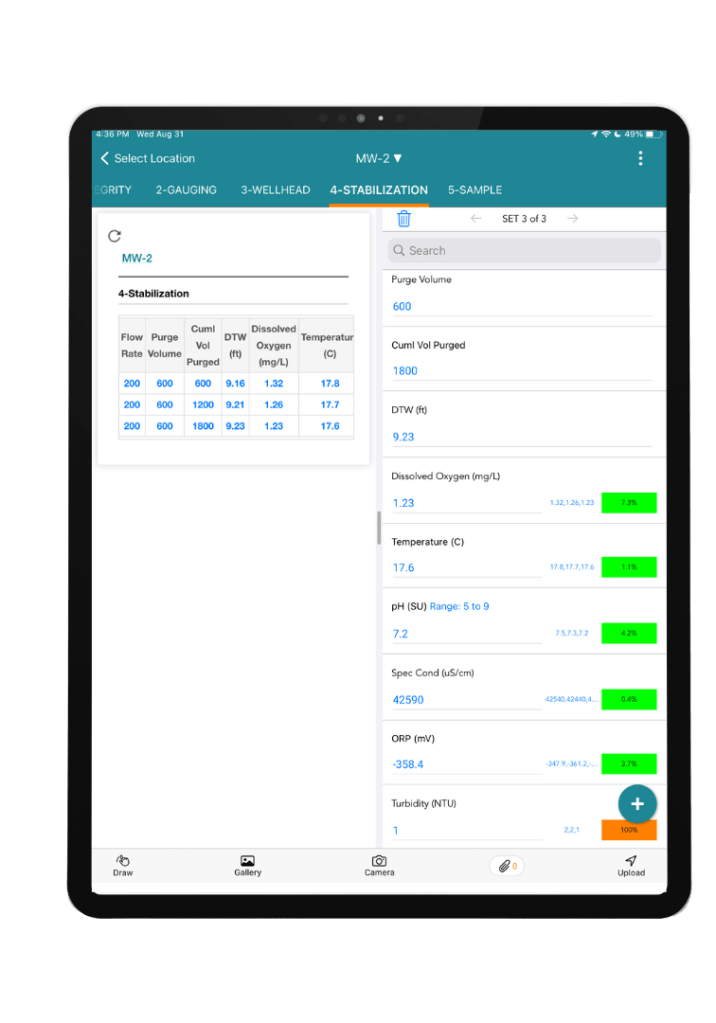
- Wildnote: This app is designed for environmental consultants to streamline field data collection, project management and reporting. It has pre-built forms and reports for most environmental consulting disciplines.
- QNOPY: This app helps teams collect, manage and report data for any project. It has an intuitive user interface and allows for offline data collection.
- Teamscope: This app is used for environmental field research and data collection. It allows users to build forms in minutes and capture data securely while offline.

The Pros and Cons of Tech in Nature
While technology offers exciting opportunities to connect with the natural world, it’s important to consider both the advantages and disadvantages:
Pros:
- Enhanced Learning: Apps like Merlin and iNaturalist provide instant information and identification, making learning about nature more accessible and engaging.
- Increased Exploration: Sound maps and GPS tools can help us explore new areas and discover hidden aspects of the environment.
- Community Connection: Platforms like iNaturalist connect us with a global community of nature enthusiasts, fostering collaboration and knowledge sharing.
- Data Collection: Technology can be used to gather valuable data about biodiversity and environmental changes.
Cons:
- Distraction: Over-reliance on technology can distract us from fully experiencing the sensory richness of nature.
- Dependence: We may become overly dependent on technology for identification and navigation, losing valuable traditional skills.
- Battery Life and Connectivity: Technology can be unreliable in remote areas with limited battery life or internet access.
- Environmental Impact: The production and disposal of electronic devices have environmental consequences.
Ultimately, the key is to use technology mindfully and in a way that enhances, rather than detracts from, our connection with nature. These tools offer exciting ways to connect with nature using the technology we carry in our pockets. They encourage observation, exploration and a deeper understanding of the natural world around us. So, next time you head out for a walk, bring along your smartphone and these apps – you might be surprised at what you discover!
Avril Rowley
 Transforming Education: The Natural Curriculum